
Authorial afterglow
It's official: next year’s book is submitted

Welcome to the free newsletter of David (D. V.) Bishop, author of the Cesare Aldo historical thrillers set in Renaissance Italy. This time: breathing a sigh of relief…
But first…
If you’re reading this on Tuesday 21st July and are anywhere near Stockport in England, I am at Serenity Booksellers in Romiley from 6.30pm talking murder, madness and the Medici (get tickets here, doors open from 6pm). I’d a great time launching Carnival of Lies there last year, so am looking forward to going back.
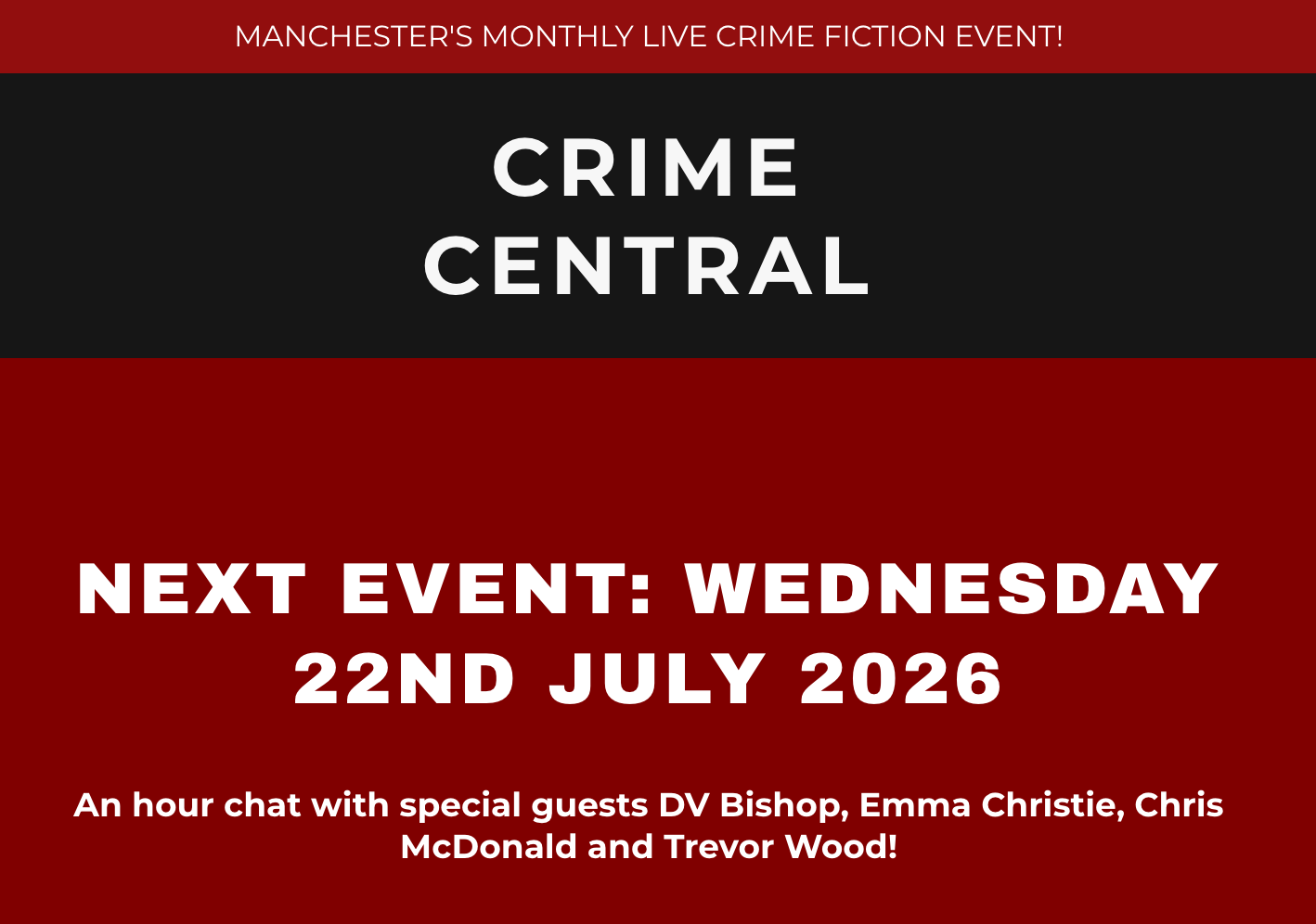
On Wednesday 22nd July I’ll be at Manchester Central Library from 6pm for Crime Central, appearing with Emma Christie, Chis McDonald, Trevor Wood and genial host Rob Parker (get tickets here). Crime Central is a monthly event with an amazing range of authors, so I’m chuffed to be part of the July event.
On Thursday 23rd July I’m at The Blues Bar in Harrogate from 4pm reading my work for Noir at the Bar alongside nine other authors. The fabled Theakston’s Old Peculiar Crime Writing Festival starts that night in Harrogate and I’ll be appearing in the Dead Giveaways tent from 2.45pm on Saturday 25th July.
After that I have a couple of weeks off before making my first ever visit to the Scottish isle of Bute for the fabled Bute Noir festival. Myself, Allan Gaw and Louise Welsh will be chatting with Bloody Scotland’s Bob McDevitt from 11.30am on Saturday 8th August at the plush Glenburn Hotel in Rothesay (get your tickets here).
Frodo: “It’s done.”
Five months ago I announced here I’d written an opening page for my 2027 book, a historical thriller set in Renaissance Italy – but not an Aldo novel. Progress in the months that followed was a little fitful: 20k by the end of March, 40k in early May, 50k by the start of June, and a surge after that led to having a full draft by Sunday 12th July.
After a week of polishing, rewriting and finessing I submitted the complete draft to my editor at Pan Macmillan first thing yesterday, Monday 20th July. I also supplied the rough floor plans I’ve devised for Villa Sassetti, the Tuscan country residence where most of the novel takes places over four sun-scorched days in June 1540.
The first feeling after hitting send was one of profound relief. This has not been the easiest book to write, employing a first person narrative position rather than the usual range of third person POVs usedd in the Aldo novels. That created challenges for which I didn’t find answers until I was near the end of my drafting process.
It’s also the first book for a new editor, so that creates another level of stress. How will they respond to the story and its narrative approach? And this novel is a departure, setting aside Aldo and his ensemble of supporting characters to foreground one of them in particular. How well is their story going to work as a standalone?
Aldo enthusiasts need not panic: Cesare shall return in a new novel, but that one isn’t scheduled for publication until 2028. This means people should be even more eager to get the new Aldo when it does come out. Hopefully regular readers pick up my 2027 book and – because it’s a standalone – lots of newcomers will try it too.
Hoist by my own petard
On the creative writing postgrad programme where I teach four days a week, we expect our writers to be especially rigorous when they use first person narrative position. Third person stories can invoke ‘Once upon a time’ and most readers will readily suspend their disbelief, but this isn’t always true for first person tales.
To overcome that, we ask three questions to stress test first person fiction: Who is this ‘I’ person talking to us from the page? Why are they sharing this story with us, why now, and how are we being positioned as the recipient of their story? Lastly, by what means is this first person narrative being shared with us?
These questions are called ‘Condition of Narrative’ and were devised by the colleague whom I helped develop and launch the MA programme long ago. The three questions are a pesky but effective means of logic-checking a first person narrative (they’re particularly vexing when applied to first person stories told in the present tense).
My 2027 novel is written in first person and boy did I struggle answering all the Condition of Narration questions for it. I had answers to them for the first 60k of the draft, but the final 20k needed a different solution which took some figuring out (not to mention the fact I’d no idea how to get my protagonist out of the book alive!).
I think the answer I devised does the job, but am waiting to see if my editor agrees. We can always pull the draft apart and reconfigure it where required. I’ve learned over the years if a project isn’t working, the best attitude is to ask ‘How can we make this better?’ Better to park your ego and collaborate to find a solution for a problem.
Nonetheless, I suspect my students would have enjoyed watching me grapple with the same problem I set them when a first person story is being written. Was I hoist by my own petard? Yes. Did I appreciate the irony of these questions being turned on me? Yes, but – if I’m honest - not so much while it was actually happening.
Progress report
There is no more progress to report! Having submitted my novel first thing on Monday 20th July, I spent the rest of the day tidying my midden of an office – not glamorous, but very necessary. The carpet has reappeared, but there’s still work to be done. Nonetheless I feel slightly more in control of things, which is nice. Onwards!
If you’ve been forwarded this newsletter by a friend, feel free to subscribe. But if you no longer wish to receive it, click unsubscribe at the bottom of the page.
Can you give us a teaser??? Oh, bloody hell! Thank you for not "getting rid of Aldo"...many of us have seen 'Misery'...😉
Condition of narration is the main reason I resist first person. Thank you for your candour 😂